01
Melasma
Broader, often symmetrical patchesOften appears across the cheeks, forehead or upper lip. Light exposure, hormonal influences and individual susceptibility can contribute. Its intensity can change over time.

 Skincare Boutique & Facial Institute
Book Your AppointmentSuggestions
Melasma, lingering marks or sunspots? Understand your skin, compare your options and build a routine you can keep.
01 / RECOGNIZE THE PATTERN
Hyperpigmentation is the umbrella term for areas darker than the surrounding skin. Melasma is one type. These illustrations show common patterns; they cannot identify your own skin concern.
Often appears across the cheeks, forehead or upper lip. Light exposure, hormonal influences and individual susceptibility can contribute. Its intensity can change over time.
Can follow a blemish, eczema, friction or irritation. Caring for the original cause helps prevent new marks while existing discolouration gradually improves.
Often associated with cumulative sun exposure. They are different from melasma and may need a different approach. A new or changing spot deserves a medical assessment.
AI-generated illustrations, not patient photographs. Patterns and colour vary; concerns can overlap.
SPF describes protection against sunburn, mainly from UVB. For melasma, look beyond the number: broad-spectrum UV protection, plus a suitable tinted formula with iron oxides for visible light. Add shade, a hat and reapplication during outdoor exposure.
Heat may aggravate melasma in some people, but research does not establish it as the largest trigger for everyone. If prolonged heat or steam leaves your skin uncomfortable, adjust those habits. Sun protection remains essential, even on cool days.
Stronger care can be appropriate when its schedule fits your skin. More exfoliation or longer contact time does not necessarily mean better results. Persistent burning, redness or discomfort is a reason to pause and ask for guidance.
03 / THE WHOLE ROUTINE MATTERS
Your pigment care is one part of the plan. A comfortable cleanser, moisturizer and daily light protection help you stay consistent.
Choose a gentle milk, cream or gel that removes sunscreen without tightness. Use lukewarm water and your fingertips; leave scrubs and cleansing brushes out of an intensive routine.
One coordinated programme. Know the amount, timing and application areas. Review existing retinoids and exfoliating acids before starting.
Keep a suitable moisturizer in the plan. Follow any recovery instructions and ask for an adjustment if skin stays sore, red or uncomfortable.
Broad-spectrum SPF 30 or higher, every day. For melasma, look for a suitable tint with iron oxides too. Follow any higher SPF requirement in your individual protocol.
Choose by how your skin feels, not by how much a cleanser foams. Cleansing supports your routine; it does not fade melasma on its own.
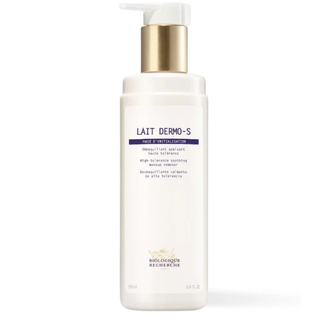
FOR TIGHT-FEELING OR REACTIVE SKIN
Our first option to discuss when comfort is the priority: a fragrance-free cleansing milk with panthenol and niacinamide. Remove gently, without rubbing.
Explore this option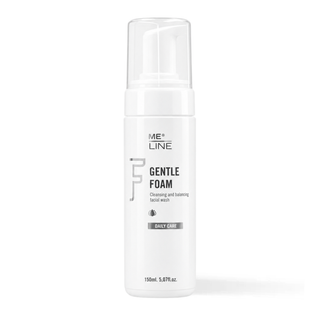
FOR A MELINE ROUTINE, WHEN TOLERATED
A rinse-off foam with panthenol and bisabolol. It contains fragrance: if fragrance triggers discomfort, discuss a fragrance-free milk instead.
Explore this optionBroad-spectrum sunscreen protects against UVA and UVB. A suitable tint with iron oxides can add visible-light protection. Tinted formulas can be mineral or hybrid; the finished formula matters more than the filter category alone.
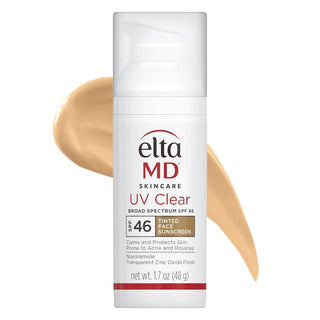
HYBRID FILTERS · LIGHT DAILY FEEL
Zinc oxide plus octinoxate, with niacinamide and iron oxides. A lightweight, fragrance-free option to consider for combination or blemish-prone skin. Not water-resistant.
Explore this option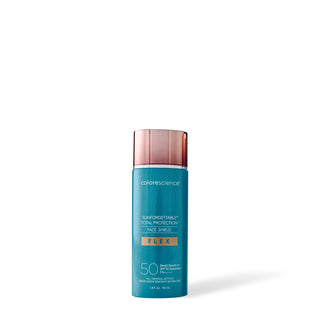
MINERAL FILTERS · BUILDABLE COVERAGE
Zinc oxide and iron oxides, with several shade options and a demi-matte finish. Consider it when you want more coverage from your daily sunscreen. Water-resistant for 40 minutes.
Explore this option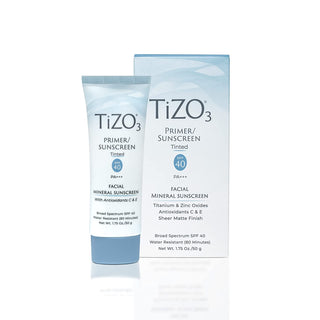
MINERAL FILTERS · MATTE PRIMER FEEL
Zinc oxide, titanium dioxide and iron oxide pigments in a silky, matte formula. Consider it if you enjoy a primer-like finish under makeup. Water-resistant for 80 minutes; check the tint on your skin.
Explore this option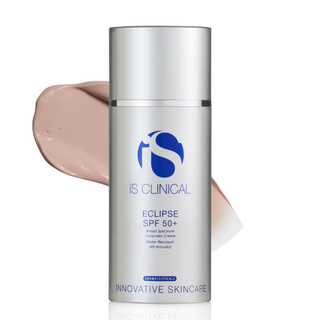
MINERAL FILTERS · SHEER MATTE FINISH
Zinc oxide and titanium dioxide with iron oxide pigments and vitamin E. Consider it for a sheer, matte beige tint with SPF 50+. Water-resistant for 40 minutes; shade match matters.
Explore this optionFour textures to explore, not a ranking of visible-light protection. Iron oxides are a useful clue, but protection varies by formula. Choose a shade you can apply generously; if your protocol requires SPF 50+, keep that requirement.
Apply generously as directed, before sun exposure.
Reapply; follow the label after swimming, sweating or towel drying.
Sunscreen works alongside exposure habits.
OPTIONAL COMFORT CARE
When skin feels warm, gentle cooling can be a welcome comfort step. These tools offer different experiences; choose around your skin’s tolerance and your current care protocol.

CHILLED, SIMPLE, REUSABLE
A pair of stainless-steel tools for a gentle, cooling massage. A straightforward choice if you enjoy a hands-on ritual without charging or settings.
Chill in the refrigerator. Use light pressure with compatible care for glide; avoid direct ice, freezing temperatures and irritated skin.
Explore Cryo-Sticks
COOLING WITH YOUR MASK RITUAL
An app-connected mask device with a cooling option. Consider it if you enjoy a guided mask ritual and want more control over the experience.
UFO 3 also offers heat and LED. Review the temperature, light and compatible-mask settings with your provider before adding it to a pigment-care protocol.
Explore UFO™ 3
MEDICAL GUIDANCE FIRST
A rechargeable device with adjustable cooling and no refrigerator needed. Its convenience may appeal, but suitability needs an extra check for melasma.
Therabody lists melasma and hyperpigmentation among its contraindications, with no separate exemption for cold mode. Ask your dermatologist before use.
View device & guidanceCooling may soothe, but home cryo tools have not been shown to fade melasma or prevent its return. Keep temperatures comfortable, use light pressure and check your protocol before adding a tool. Topical care and sun protection remain essential.
Understand your concern, review your routine and establish a comfortable foundation.
Follow the selected protocol. Compare photographs in consistent lighting, without filters. Meaningful change often takes months.
Keep photoprotection and an appropriate maintenance schedule. Reassess rather than automatically restarting intensive care.
02 / CHOOSE WITH CONTEXT
Start with the way you want to use your care. We then consider your skin history, tolerance and the level of support you need.
What kind of routine are you looking for?
These are routine preferences, not a diagnosis. The timeframes describe different protocols, not a race to the fastest result.
Cyspera Intensive may suit a preference for timed, rinse-off care. We still check the formula and schedule against your skin’s tolerance.
MeLine offers coordinated leave-on day and night formulas. Your skin’s response to sun and its tolerance help guide product selection.
MeLine and Cosmelan offer professional protocols with home care. The home phase and follow-up remain part of the commitment.
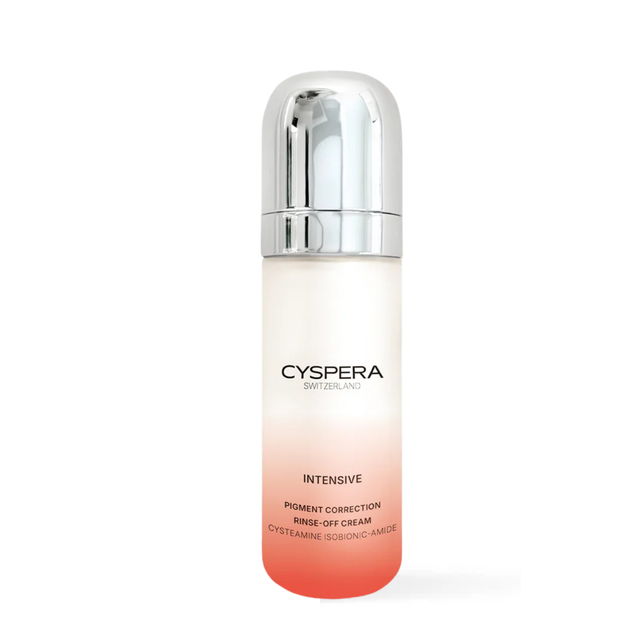
CYSTEAMINE · TARGETED HOME CARE

“I want targeted care I can rinse away.”
Intensive uses a 7% cysteamine complex. Odour and irritation can occur, and extra contact time is not better. Sensitive is a separate formula with its own directions. Follow your packaging.
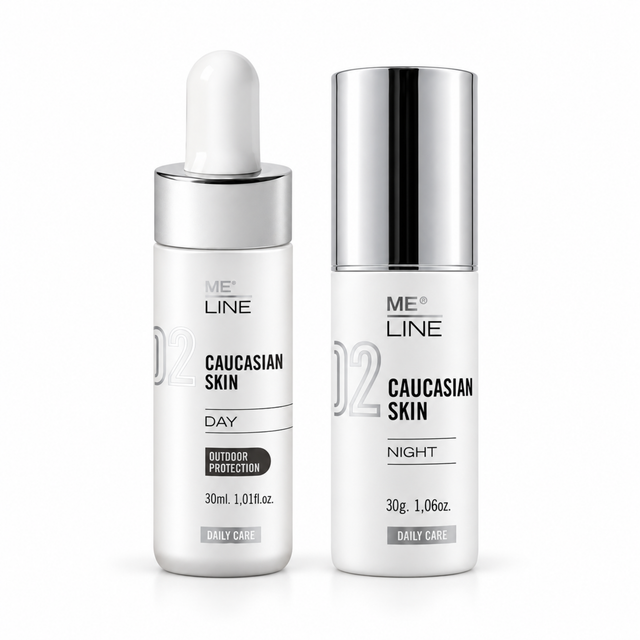
COMPLEMENTARY DAY & NIGHT FORMULAS

“I like a coordinated morning-and-evening routine.”
Day and Night work through different ingredient combinations. The Caucasian duo includes tranexamic acid and kojic acid by day, retinal and azelaic acid at night. Other formulas differ. Choose by sun response and skin history, not ethnicity alone.
PROFESSIONAL START · GUIDED HOME CARE
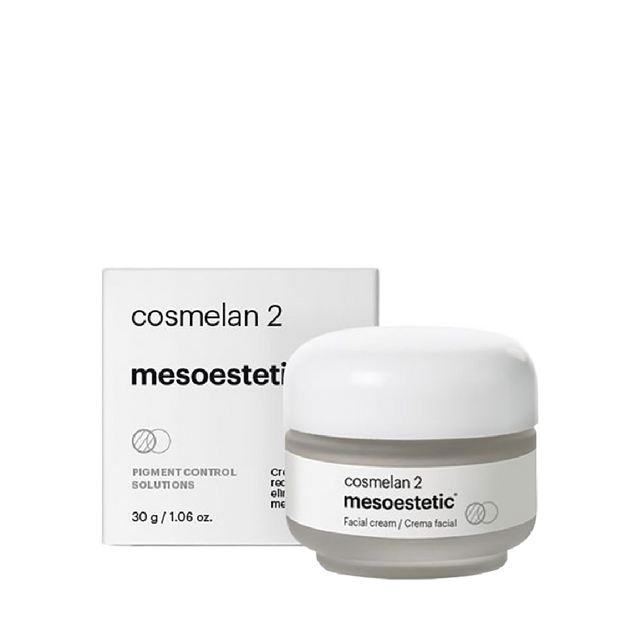
 Cosmelan
“I want a professional start and a clear home plan.”
Cosmelan 2 is the home-care component, not the whole method. Peeling, redness and sensitivity can occur, especially early on. Review the full cost, recovery needs and schedule before choosing.
Availability and pricing are shown on the product page.
Each has clinical research to explore. Here is a useful starting point: who was studied, which programme was used and what the research reported.
80 participants · randomized trial
A 16-week trial reported improvement from week 4 with a cysteamine-based system, and comparable efficacy to a modified Kligman prescription formula at week 16. The research assessed the system, rather than Intensive used alone.
Read the study98 cases · clinical protocol report
A manufacturer report followed a professional MeLine protocol with Day/Night home care; 95 people completed it. Improvement was reported at 4 and 12 weeks. These findings describe the combined programme, rather than the retail duo alone.
Read the studyCosmelan33 cases · retrospective clinical study
A manufacturer report reviewed the full Cosmelan method in people with mixed melasma and skin phototypes II–V. It reported improvement with professional application plus home care. The research assessed the complete method, rather than Cosmelan 2 alone.
Read the studyDifferent study designs, formulas and follow-up periods: useful evidence to discuss, not a head-to-head ranking. Results vary, and your plan should follow the current product instructions.
Review the combinations with your skincare professional first. These routines may already include several active ingredients. Adding another protocol, retinoid or exfoliant can increase irritation without improving the outcome.
Start with your physician or pharmacist before choosing active pigment care. Non-prescription does not mean suitable during pregnancy or breastfeeding, and formulas differ. We can help you build comfortable cleansing, moisturizing and sun-protection habits around their advice.
Not necessarily. Melasma can recur even after meaningful improvement. Review light exposure, the maintenance schedule and skin comfort before making the routine stronger. A change in appearance can also merit medical reassessment.
If the diagnosis is uncertain, a spot is new or changing, or your concern remains difficult to manage, a physician or dermatologist can assess it and discuss medical options. Loshen & Crem supports cosmetic skincare choices; we do not diagnose skin conditions or prescribe medication.
Not automatically. Compatibility, tolerance and your protocol matter more than matching labels. Keep any specifically required recovery or cleansing steps. For Cyspera Intensive, cleansing follows the timed application; for a professional programme, use the aftercare schedule you were given.
Yes. Broad-spectrum sunscreen protects against UV and remains important. For melasma, a suitable iron-oxide tint adds protection against visible light. If you cannot find a comfortable shade, ask us for help rather than skipping sun protection.
Educational content reviewed October 2026. Manufacturer directions describe product use; they are not a substitute for comparative clinical evidence. Individual results vary.
Educational guidance · Individual care · Ongoing support