

Chemical sunscreens, also called organic-filter sunscreens, use UV filters that absorb ultraviolet radiation. Their greatest advantage is texture: they are often weightless, invisible on every skin tone and easy to wear under makeup.
Who they're for
Everyday wear, anyone who wants protection with no white cast, oily and combination skin that prefers light fluids and gels, and active days outdoors.
Good to know
Choose a broad-spectrum formula that protects against both UVA and UVB rays. Health Canada recommends an SPF of at least 30. Many modern sunscreens are hybrids that combine mineral and organic filters for the best of both.
How to use
Apply generously as the final step of your morning routine, following the directions on the label. Cover the face, ears, neck and hairline, and reapply at least every two hours during sun exposure and after swimming, perspiring or towel drying.
Expert insight from Loshen & Crem
"Chemical" does not mean harsh. Many of the clients who tell us they hate sunscreen simply haven't found a texture they enjoy wearing, and an elegant chemical formula is often what changes that. For very reactive skin or skin recovering from a professional treatment, a mineral formula may be the gentler starting point.
Frequently asked questions
Are chemical sunscreens safe? In Canada, the UV filters used in sunscreens are reviewed and approved by Health Canada. Choose a formula your skin tolerates well and follow the label.
Chemical or mineral: which is better? Neither is automatically better. The best sunscreen is the broad-spectrum one you enjoy enough to wear generously every single day.
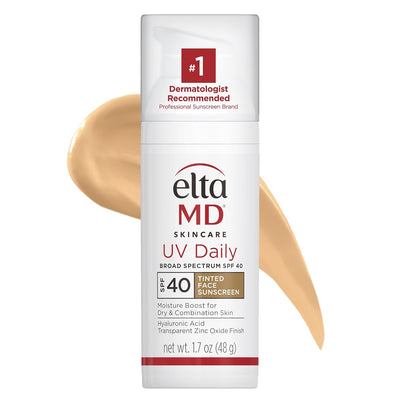
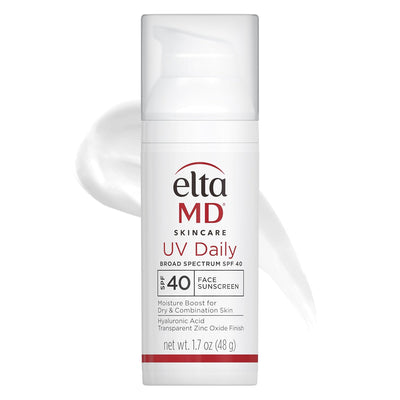

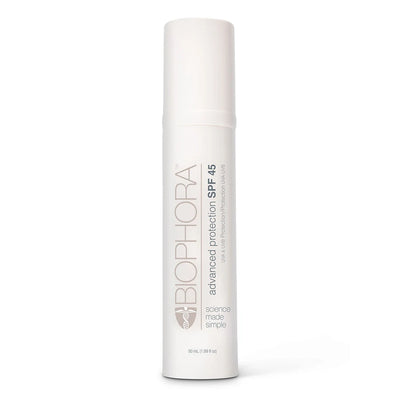
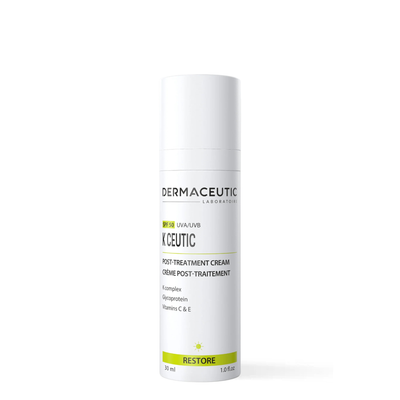






Let customers speak for us
great cleanser. use it with VIP cream and others.

gentle and does the job!

i keep switching between all these BR creams because they all work great and my skin gets to try something diff every few months
the best!
super gentle
It’s my second jar, lasted me almost a year. Perfect for colder seasons, calms skin right away, locks in other creams. I use it overnight or if especially dry and irritated can do during the day or locally or irritated or dry areas.

I received a sample of this product, so I can't comment on its effectiveness as collagen, but it tastes good and was easy to drink. Since I only got one sachet, I can't speak to its long-term results.

Received this product as a free sample from L&C - thank you so much! Really enjoyed this product - could physically 'feel' it working its magic. Skin felt and looked amazing the next morning. Will look into buying full-sized product for sure.

Really beautiful product and a little goes a long way! Skin feels fantastic the next morning.

I purchased this specifically to use following a laser treatment and have been so impressed with it. The texture is smooth and silky and glides over the skin beautifully without feeling heavy. I have sensitive, acne-prone skin and have been very happy with how comfortable it feels. This has quickly become one of my favourite sunscreens.

great

Perfect cream for oily skin!
Awesome set for my skin! Each product works perfectly

Loshen & Crem offers a wide selection of skincare brands and treatments in a beautiful, welcoming environment. The boutique is clean and thoughtfully presented, and the team is available to help clients explore products based on their individual skincare needs. Overall, it is a pleasant place to discover both professional and everyday skincare options.
I’ve shopped here for products and they really have the best selection and super knowledgeable staff!
What customers think about the store
Curated skincare boutique offering premium brands with knowledgeable staff providing personalized recommendations. Fast shipping, excellent customer service, beautiful packaging with complimentary samples. Customers praise product selection, expert guidance, a...