


THE LOSHEN SUN EDIT
Sunscreen beautifully considered.
For every face. Every body. Every day.
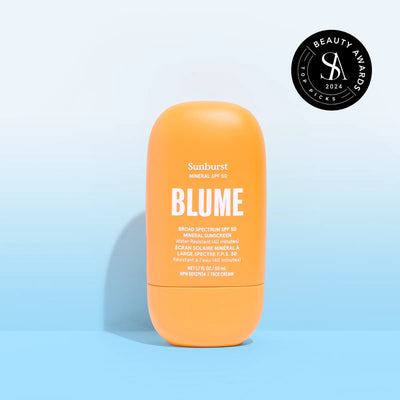
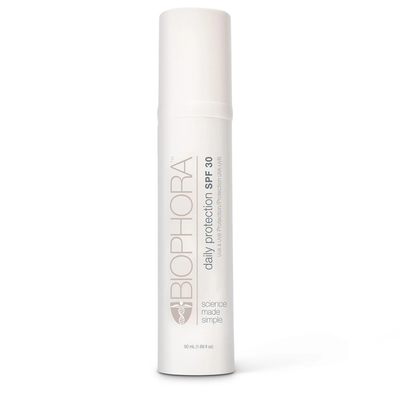
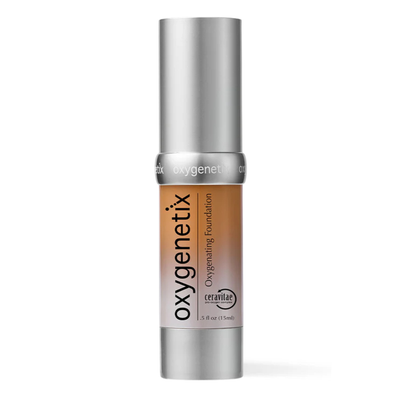
Discover sunscreen in Canada, curated by Loshen & Crem for elegant textures, comfortable wear and effortless daily protection. Explore mineral, tinted, SPF 50, body and kids-safe formulas, authentically sourced from authorized brands.

L’écran solaire constitue la dernière étape d’une routine de soins bien pensée le matin. Cette collection réunit des protections solaires pour le visage et le corps sélectionnées selon leur protection, leur texture, leur fini et leur compatibilité avec différents types de peau.
Pour une protection quotidienne, privilégiez un écran solaire à large spectre qui aide à protéger la peau contre les rayons UVA et UVB. Santé Canada recommande un FPS d’au moins 30. Le meilleur écran solaire demeure celui qui convient à votre peau et que vous pouvez appliquer généreusement et régulièrement.
Les écrans solaires minéraux utilisent notamment l’oxyde de zinc ou le dioxyde de titane. Les formules souvent appelées « chimiques » utilisent des filtres UV organiques. Les formules hybrides combinent les deux approches. Une catégorie n’est pas automatiquement supérieure à l’autre : la texture, le fini, le confort, le mode de vie et la qualité de l’application sont également importants.
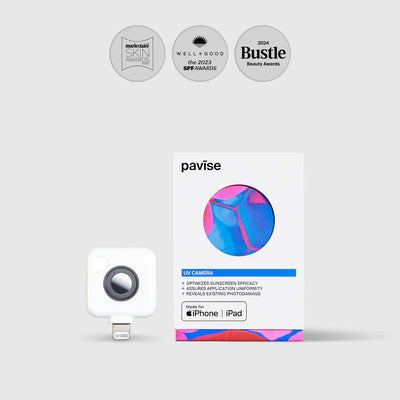
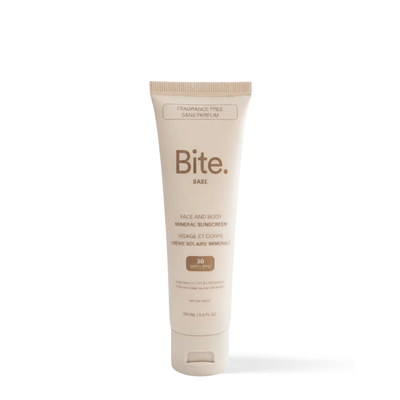
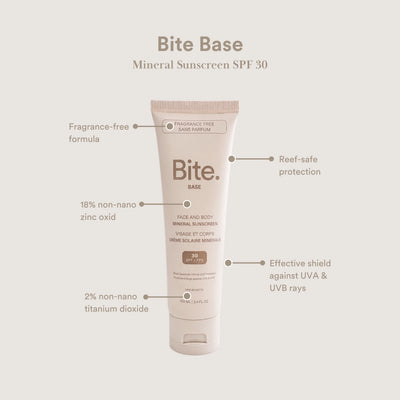
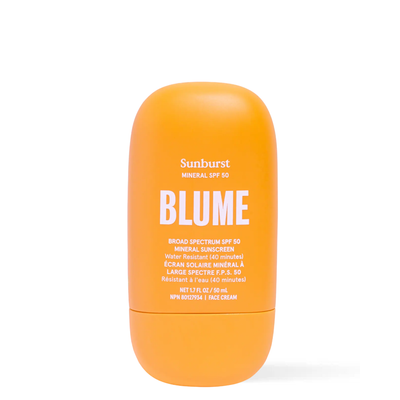
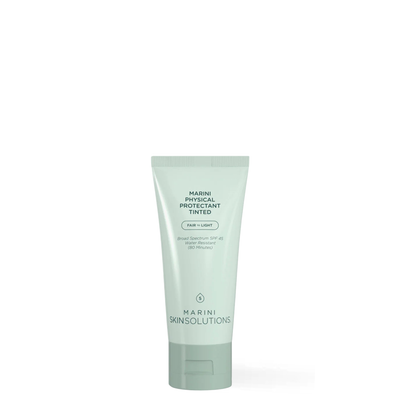
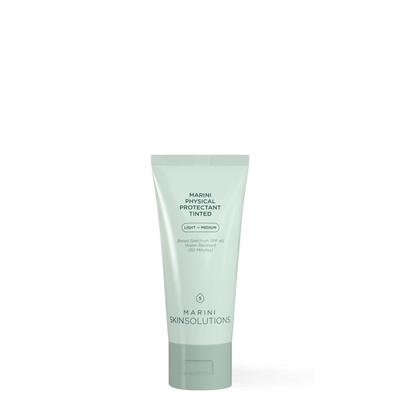
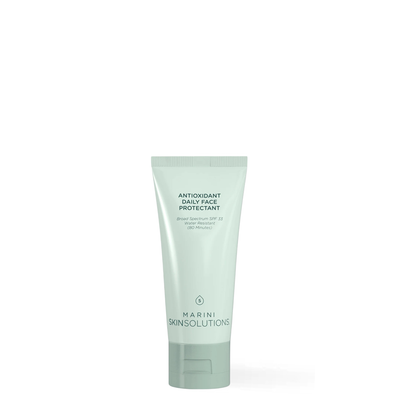
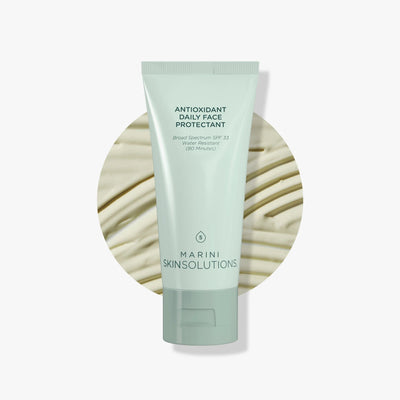


Let customers speak for us
great

Perfect cream for oily skin!

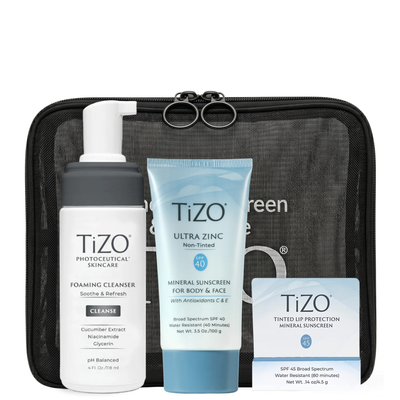
Awesome set for my skin! Each product works perfectly

Loshen & Crem offers a wide selection of skincare brands and treatments in a beautiful, welcoming environment. The boutique is clean and thoughtfully presented, and the team is available to help clients explore products based on their individual skincare needs. Overall, it is a pleasant place to discover both professional and everyday skincare options.
I’ve shopped here for products and they really have the best selection and super knowledgeable staff!
Loshen & Crem has the best selection of curated skincare for all ages and skin types. The store is beautiful, staffs are friendly and their online shopping experience is one of the best out there. Beautifully packaged and it arrived so fast.
I would recommend Loshen to anyone!!
I have been using this product for three months now on an under-eye, pitted scar from having a basal cell carcinoma removed. The results are incredible! Within the first couple of weeks, my daughter noticed a huge change in my scar and it has only gotten better since then. Remember to put nothing underneath or on top of this gel (except for sunscreen!) for best results. Really happy with my purchase.

This is my go to cleanser and I love how it smells good.

First time using this! My moisturizer from before is not that very effective.

The ValmontPrime Regenra ll is so rich and creamy . Immediately I could see smoothness on my cheeks . It absorbed quickly and I could actually feel my skin becoming more hydrated . Love this product !

Goes on clean and lasts

Works great

Perfect toner

This product is fantastic. Smooth on and lasts all day.

Perfect for traveling

What customers think about the store
Loshen&Crem delivers exceptional customer service with fast shipping, thoughtful packaging, and personalized touches like handwritten notes. The store offers high-quality skincare, haircare, and wellness products that customers report deliver visible results. ...
AI-generated from customer reviews.
Need help?
Frequently Asked Questions About Sunscreen
Order
Choose a broad-spectrum sunscreen with SPF 30 or higher for daily use. SPF 50 provides additional UVB protection and can be especially helpful during extended outdoor exposure or when protecting skin prone to visible dark spots. The best sunscreen is ultimately one you enjoy applying generously and consistently.
SPF 50 offers a higher level of UVB protection than SPF 30, but neither lasts all day. Correct application and regular reapplication matter more than relying on a higher SPF alone. Explore our SPF 50 Sunscreen collection when you want a higher-protection option.
Broad-spectrum means the sunscreen protects against both UVA and UVB rays. UVB rays are the primary cause of sunburn, while both UVA and UVB exposure contribute to premature skin aging and an increased risk of skin cancer.
Mineral sunscreens use zinc oxide, titanium dioxide or both as their active filters. Chemical—or organic—sunscreens use filters such as avobenzone, octocrylene or other approved ingredients. Neither category is universally better: choose a broad-spectrum formula that suits your skin, lifestyle and texture preferences.
Health Canada recommends applying sunscreen generously. As a general guide, an adult needs approximately one teaspoon for the face and neck and about seven teaspoons, or 35 ml, to cover all exposed areas of the body. Always follow the directions on the individual product label.
Reapply sunscreen at least every two hours while outdoors and more frequently after swimming, heavy sweating or towel drying. Water-resistant sunscreen still needs to be reapplied after water exposure and according to the time stated on its label.
Apply sunscreen after your moisturizer and before makeup as the final step of your morning skincare routine. Allow it to settle before applying complexion products, and follow the product’s directions for the recommended application time before sun exposure.
Yes. Ultraviolet rays remain present during cloudy weather and throughout the winter. Snow can also reflect UV radiation, making daily sunscreen particularly relevant during bright Canadian winters.
Some tinted sunscreens contain iron oxides, which can provide additional protection against visible light. This may be especially useful for skin prone to visible pigmentation and uneven tone. Choose a tinted formula that also offers broad-spectrum SPF 30 or higher.
There is no single sunscreen that suits every sensitive or blemish-prone complexion. Look for a comfortable, non-comedogenic formula and consider fragrance-free options if fragrance tends to cause irritation. Patch-test a new sunscreen on the inner forearm and observe the area for 48 hours before applying it more broadly.
For children over six months, choose a broad-spectrum SPF 30 or higher and follow the age and application directions on the label. Water-resistant formulas are helpful for swimming and active play. Babies under six months should be protected primarily with shade, lightweight covering clothing and a wide-brimmed hat; consult a healthcare provider before applying sunscreen.
Yes. Check the expiry date and replace expired products, as they may provide less reliable protection. Avoid storing sunscreen in direct sunlight or in a hot vehicle because extreme heat can affect its effectiveness.